
Archives 2026

THCA FLOWER AND TRICHOMES: WHAT THOSE FROSTY CRYSTALS ACTUALLY TELL YOU


Most people pick Cheap THCA Flower based on strain name, THC percentage, or price. But the single best indicator of quality is sitting right on the surface of the bud — trichomes. Those tiny, frosty crystals coating the flower aren’t just decoration. They’re where the cannabinoids, terpenes, and flavonoids actually live. 

Understanding trichomes gives you a real edge when shopping for THCA flower, whether you’re buying online from photos or inspecting product in person. 

What Trichomes Are and Why They Matter 

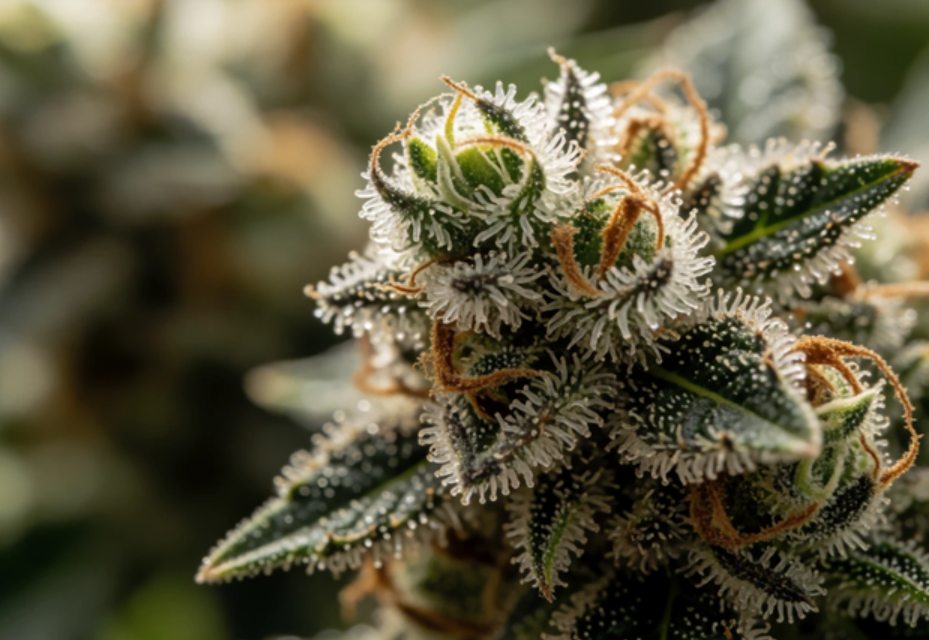
Trichomes are mushroom-shaped glands that develop on the surface of cannabis flowers during the final weeks of growth. Under magnification, they look like tiny glass stalks topped with bulbous heads. Those heads contain the resin that carries THCA, terpenes, and dozens of other active compounds. 

When someone describes a nug as “frosty” or “caked,” they’re talking about trichome density. More trichomes generally means more potency and more flavor. Strains with heavy trichome production tend to deliver stronger effects and a more complex aroma profile because the resin is where all of that originates. 

Reading Trichome Color Like a Pro 

Trichome color tells you about harvest timing, and harvest timing directly affects your experience. Clear trichomes mean the plant was harvested early — expect a lighter, more cerebral effect with less depth. Milky white trichomes signal peak THCA content. This is the sweet spot most growers aim for. 

Amber trichomes indicate the THCA has started converting to CBN, which produces a heavier, sleepier feel. Most high-quality THCA flower will show a mix of milky and slightly amber trichomes, which means it was harvested in the optimal window. 

If a vendor’s product photos show buds with very few visible trichomes or a dull, flat appearance, that’s worth questioning. Quality THCA flower should look visibly resinous. 

Trichome Density Varies by Strain and Grow Method 

Genetics play the biggest role in trichome production. Strains like Gorilla Glue, White Widow, and Ice Cream Cake are known for exceptionally heavy trichome coverage. But how the plant was grown matters too. 

Indoor cultivation under controlled lighting, humidity, and temperature tends to produce denser trichome development than outdoor grows. The plant isn’t fighting environmental stress, so it channels energy into resin production. That’s one reason indoor THCA flower consistently looks and performs differently. 

Nutrient programs, light spectrum, and even the curing process after harvest all affect how well trichomes are preserved. Rough handling during trimming or packaging can knock trichomes off the bud entirely, which is why well-handled flower often arrives with visible kief in the bag — a good sign, but also a reminder that careful processing matters. 

What to Look for When You’re Buying 

When evaluating THCA flower, zoom in on product photos. Reputable vendors post close-up shots specifically so buyers can assess trichome quality. Look for a thick, even coating of crystals across the bud surface and into the crevices between calyxes. 

Avoid flower that looks flat, brown, or overly compressed. Trichomes are fragile, and mishandled product loses potency before it ever reaches you. Sticky, resinous buds that leave residue on your fingers are a strong sign that the trichomes are intact and the flower was properly cured. 

The nose tells a story too. Heavy trichome coverage almost always correlates with a loud, distinct aroma. If you open a bag and the smell hits immediately, the trichomes did their job. 

Paying attention to these details puts you ahead of most buyers who stop at the percentage on the label. 

THCA INDOOR SMALLS: DISPENSARY-GRADE QUALITY WITHOUT THE DISPENSARY PRICE


Not all small buds are created equal. THCA Indoor Smalls sit in a sweet spot that’s hard to argue with — the controlled precision of indoor cultivation combined with the budget-friendly pricing of smaller bud sizes. 

What Sets Indoor-Grown Smalls Apart 

Indoor cannabis cultivation is all about control. Temperature, humidity, light cycles, airflow, nutrient delivery — every variable is dialed in throughout the entire grow cycle, and that precision directly translates to the final product. 

Indoor-grown THCA flower develops denser trichome coverage, stronger terpene retention, and more consistent cannabinoid profiles. The buds are tighter and more compact, with a visual frostiness that’s immediately noticeable. Even the smalls benefit from this controlled environment in ways outdoor-grown flower can’t match. 

These smalls still come from the same plants as the premium top-shelf nugs — same grow cycle, same quality. The only difference is size, meaning you get meticulous indoor quality at a fraction of the price. 

What to Look for When Buying THCA Indoor Smalls 

Not every product labeled “indoor smalls” lives up to the name. Knowing what to look for helps you separate the genuinely good stuff from flower that’s just riding the label. Here are the key indicators of quality indoor smalls: 

Frosty appearance. High-quality indoor smalls should be visibly coated in trichomes. That sugary, crystalline layer is where the THCA and terpenes concentrate. If the buds look dull or lack that signature sparkle, they may not be truly indoor-grown. 

Dense structure. Indoor buds — even the smaller ones — should feel firm and compact when you squeeze them gently. Airy, loose buds are often a sign of suboptimal growing conditions or light deprivation issues. 

Strong aroma. Crack open the container and you should be hit with a distinct, pungent smell. Robust terpene profiles are a hallmark of properly grown indoor flower. If the scent is faint or grassy, the flower may have been rushed through curing or wasn’t grown in truly controlled conditions. 

Consistent color and trim. Well-produced indoor smalls should have even coloring and clean trimming. Excess leaf material, brown spots, or inconsistent appearance can indicate lower grow standards. 

The Price Advantage That Makes Indoor Smalls a No-Brainer 

Premium indoor flower commands top-dollar pricing for good reason. But when that same flower gets sorted by size, the smaller buds get a significant price reduction despite being functionally identical in potency and flavor. 

You’re getting indoor-quality trichome density, terpene complexity, and smooth smoking experience at pricing that’s often comparable to standard outdoor flower. If you grind your flower before use, the size distinction becomes irrelevant the moment it hits the grinder. 

Why Experienced Buyers Prefer Indoor Smalls 

Seasoned buyers figured this out a long time ago. Indoor smalls offer the best quality-to-price ratio in the THCA market. You’re not sacrificing potency, flavor, or smoothness — and you’re saving real money on every purchase. 

Whether you’re a daily consumer or someone who appreciates getting more value per dollar, THCA indoor smalls deserve a permanent spot in your rotation. Once you experience frosty, terpy indoor quality without the premium markup, it’s tough to justify paying more for size alone. 

WHY MORE CANADIANS ARE TURNING TO AN ONLINE DISPENSARY FOR THEIR CANNABIS NEEDS


The way Canadians shop for cannabis has changed dramatically over the past few years. While brick-and-mortar shops still serve their purpose, a growing number of consumers now prefer the convenience of ordering from an online dispensary in Canada Bliss Herbals Capsules. From a wider product selection to discreet doorstep delivery, the shift toward digital cannabis shopping is anything but surprising. 

The Convenience Factor Behind Online Dispensaries in Canada 

One of the biggest draws of shopping at an online dispensary in Canada is sheer convenience. There are no lineups, no limited store hours, and no geographic restrictions. Whether you live in downtown Toronto or a rural community in Saskatchewan, you can browse hundreds of products from your couch and have them shipped directly to your door. 

Most online dispensaries offer detailed product descriptions, lab-tested potency information, and customer reviews — resources that are often lacking in a rushed in-store experience. This transparency allows consumers to make informed decisions based on cannabinoid content, terpene profiles, and the type of experience they are looking for. 

A Wider Selection Than Physical Stores 

Walk into most physical dispensaries and you will find a curated but limited selection. An online dispensary in Canada typically carries a far broader range — from flower strains (indica, sativa, hybrid) and concentrates (shatter, live resin, hash rosin) to edibles, capsules, tinctures, and topicals. 

This variety is especially important for consumers who rely on specific products. Someone looking for LSO-grown flower, high-potency THC diamonds, or a particular edible dosage is far more likely to find exactly what they need online. Many online dispensaries also carry niche products like cannabutter, phoenix tears, and bulk concentrate options that rarely appear on physical store shelves. 

Discreet Packaging and Canada-Wide Shipping 

Privacy matters to a lot of cannabis consumers. Reputable online dispensaries ship orders in plain, unmarked packaging with no indication of the contents inside. Combined with tracking numbers and reliable delivery timelines, this creates a seamless experience that respects the buyer’s privacy from start to finish. 

Shipping typically covers every province, with many dispensaries offering free delivery once an order hits a certain threshold. For consumers in remote or underserved areas where physical stores simply do not exist, an online dispensary is often the only practical option. 

How to Spot a Trustworthy Online Dispensary 

Not all online dispensaries are created equal. When evaluating your options, look for a few key indicators of quality and reliability. Lab-tested products with clearly listed THC and CBD percentages are a must. A well-organized website with transparent pricing, a responsive customer service team, and genuine customer reviews all signal a professional operation. 

Payment security is another factor worth considering. Established online dispensaries offer secure checkout processes and clearly outline their shipping policies, return procedures, and order guarantees. 

What to Expect When You Place Your First Order 

If you have never ordered from an online dispensary in Canada before, the process is straightforward. Browse the catalogue, add products to your cart, and check out. Most dispensaries require age verification at some point during the process. Once your order is confirmed, you will typically receive a tracking number within 24 hours, and delivery usually takes two to five business days depending on your location. 

The Future of Cannabis Shopping in Canada Is Digital 

The growth of online dispensaries in Canada reflects a broader consumer trend toward e-commerce across every industry. With better product variety, competitive pricing, detailed product information, and the unmatched convenience of home delivery, it is easy to see why online shopping has become the preferred method for cannabis consumers coast to coast. As the market continues to mature, expect online dispensaries to keep raising the bar on selection, service, and overall experience. 

THE 2026 RESET: NAVIGATING THE FINAL WINDOW FOR THCA SALE


As we move through the spring of 2026, the cannabis industry is standing at a historic crossroads. For the past several years, the “THCA loophole” has allowed a multi-billion dollar market to flourish, offering high-potency flower and concentrates under the legal definition of hemp. However, following the passage of the Continuing Appropriations and Extensions Act of 2026 in late 2025, the rules of the game have fundamentally changed. For consumers and businesses alike, the current landscape for THCA sale is defined by a closing federal window and a shift toward a “Total THC” reality that will become the national standard on November 12, 2026. 

THCA Sale Online :- https://hempgeneration.com/shop/consumption-method/vape-carts/ 

The New Federal Standard: From 0.3% Delta-9 to 0.4mg Total THC 

The most significant development in 2026 is the end of the distinction between THCA and Delta-9 THC at the federal level. 

  • The Old Rule: Legality was based solely on Delta-9 THC content being below 0.3%. This meant high-THCA flower was federally legal because the “high” hadn’t been activated by heat yet. 
  • The 2026 Rule (H.R. 5371): The new law introduces a “Total THC” standard $( \text{Total THC} = \Delta 9\text{THC} + (0.877 \times \text{THCA}) )$. More importantly, it imposes a strict cap of 0.4 milligrams of total THC per container for finished hemp products. 
  • The Deadline: While this law was signed in November 2025, it provided a one-year “strategic runway.” Any THCA sale occurring today is part of this final grace period before the November 12, 2026, enforcement deadline. 

State-Level Fragmentation: Where is THCA Sale Still Legal? 

While the federal deadline looms, state-level enforcement is already highly fragmented. In 2026, the legality of a THCA sale depends entirely on your zip code. 

Category 

State Examples (Spring 2026) 

Regulatory Stance 

Permissive Markets 

Texas, North Carolina, Tennessee 

THCA is currently legal and widely available, though new taxes or licensing are pending. 

Restricted Markets 

Georgia, Florida, Iowa 

Total THC rules are in effect at the state level; THCA flower is often removed from shelves. 

Banned / Total THC 

Oregon, California, Arkansas 

THCA is classified as marijuana and can only be sold in state-licensed dispensaries. 

Zero Tolerance 

Idaho, Kansas, South Carolina 

Strict prohibition of all intoxicating hemp-derived isomers. 

Consumer Strategy: Buying in the 2026 “Transition Phase” 

For those looking to take advantage of a THCA sale during this transition year, quality and compliance verification are more important than ever. The 2026 “educated consumer” uses three primary pillars to vet their purchases: 

  1. Post-Harvest Cold-Chain Verification: To ensure the flower stays below the 0.3% Delta-9 limit during shipping, top vendors now use climate-controlled logistics. Heat during transit can trigger decarboxylation, potentially turning a legal hemp shipment into a controlled substance. 
  1. The “November Clause”: Reputable retailers are already beginning to “sunset” certain high-potency product lines. If a vendor is offering a massive “clearance” THCA sale, check the harvest dates. Older flower may have naturally converted more THCA into Delta-9, increasing legal risk. 
  1. Digital COA Transparency: In 2026, a paper lab report isn’t enough. Look for QR codes that link to live, third-party databases (like Confidence Analytics or Kaycha Labs) that verify the batch’s “Total THC” and “Delta-9” levels in real-time. 

The Future of THCA Post-November 2026 

What happens after the deadline? While the era of “hemp-derived” THCA flower sold in smoke shops is ending, the compound itself isn’t disappearing. Instead, it is being funneled into the Schedule III framework following the 2025 executive order to reschedule cannabis. This means that after November, the most reliable way to find THCA for sale will be through state-licensed medical programs or adult-use dispensaries, where it will be regulated as a standardized pharmaceutical or recreational product. 

As the “hemp loophole” closes, the 2026 market is maturing into a more transparent, albeit more restricted, landscape. 

THE ULTIMATE CONVENIENCE: NAVIGATING THE MODERN MARIJUANA DELIVERY SERVICE IN 2026


As we navigate through the first quarter of 2026, the cannabis industry has fully integrated into the “on-demand” economy. The era of planning trips to a physical storefront is rapidly being replaced by the sophisticated logistics of the Bay Area Cannabis Dispensary that delivers. What was once a niche offering is now a sleek, tech-driven engine designed to bring premium products directly to a consumer’s doorstep with speed, safety, and ultimate discretion. With 25% of all cannabis sales now occurring online, understanding how these services operate in the current regulatory environment is essential for a seamless experience. 

The Logistics of Modern On-Demand Access 

The foundation of a premier marijuana delivery service in 2026 is a sophisticated technological framework. Leading platforms like Onfleet and WebJoint have revolutionized the final mile of the supply chain, moving beyond simple transportation to full-scale route optimization. 

  • Fulfillment Hub Optimization: Top-tier services utilize decentralized micro-fulfillment centers strategically located throughout metropolitan areas. This ensures that popular products are always just a short radius away, enabling delivery times that often rival standard food apps. 
  • Predictive Fleet Technology: 2026 delivery platforms use AI to analyze historical data and predict order volume. This allows them to “pre-position” drivers in high-demand zones, ensuring that the promise of “Express Delivery”—often defined as under 45 minutes—is consistently met. 
  • Compliance Software: The entire system is governed by automated compliance software. The platform verifies a user’s address against local 2026 ordinances, automatically blocking orders in municipalities where delivery is prohibited, thus ensuring every transaction is legally sound and audit-ready. 

Personalized Retail at Your Doorstep 

In 2026, the “delivery person” has evolved into a mobile concierge. Advanced clienteling apps allow delivery services to track individual preferences and purchase history across multiple channels. 

When you use a high-end marijuana delivery service, the experience is tailored to your specific needs. For example, if a customer primarily orders high-CBD topicals for pain management, the system’s algorithms can offer personalized recommendations for new solventless live rosin or infused pre-rolls during the checkout process. This level of personalization has driven a 13% average increase in sales for dispensaries that successfully integrate these loyalty and data tools. 

Security and Safety in the 2026 Delivery Landscape 

Safety is the highest priority for both the consumer and the service provider. In 2026, the industry has moved away from the “cash-only” risks of the past, embracing secure, integrated payment solutions. 

  1. Cashless Transactions: Services now prioritize encrypted ACH transfers and specialized cannabis-friendly debit processing. This not only makes the doorstep transaction faster but also significantly reduces the security risks for drivers by eliminating the need to carry large amounts of currency. 
  1. Unmarked Professionalism: To maintain discretion and safety, deliveries are made in enclosed, unmarked vehicles. These vehicles are equipped with secure, attached lockboxes and 360-degree surveillance cameras that monitor every pickup and drop-off. 
  1. Real-Time Tracking and Manifests: Every delivery is tracked via GPS in real-time. This allows the consumer to see exactly where their order is on a map and provides the dispensary with an automated, compliant delivery manifest that is essential for state-level reporting. 

What to Look for in a 2026 Delivery Provider 

When choosing a marijuana delivery service this year, look for these “green flags” of quality: 

  • Batch-Specific COAs: A reputable service will provide a link to the lab results for the specific batch you are receiving, verifying its potency and purity. 
  • Real-Time Inventory Sync: Ensure the online menu is accurately synced with the actual inventory at the fulfillment hub to avoid last-minute substitutions. 
  • Professional ID Verification: The best services use advanced scanning technology at the point of delivery to verify age and identity instantly, ensuring full compliance with 2026 regulations. 

By embracing these technological and logistical advancements, the modern marijuana delivery service has turned a complex regulatory challenge into the ultimate consumer luxury. 

UNDERSTANDING THCA: BENEFITS, RISKS, AND ITS ROLE IN CANNABIS


Many people feel confused about the benefits and risks of cannabis Order THCA from Black Tie CBD. THCA, a cannabinoid found in raw cannabis flower, is nonintoxicating until it changes to THC through decarboxylation. 

This post will guide you on “understanding thca: benefits, risks, and its role in cannabis” while sharing key facts about this unique acidic form. Keep reading to learn how THCA may affect your health choices! 

Key Takeaways 

  • THCA is a nonintoxicating compound found in raw cannabis flower. It only turns into psychoactive THC when heated by decarboxylation. 
  • Research suggests that THCA has strong anti-inflammatory, neuroprotective, antiemetic, and antioxidant benefits. It may help with pain, brain health, and nausea without causing a high. 
  • Users face risks from potential conversion to THC if exposed to heat, as well as possible contamination from pesticides or heavy metals due to lack of strict regulations in the cannabis industry. 
  • Individual reactions vary based on age, weight, health conditions, and tolerance. Safe use involves starting with low doses and checking for purity through lab-tested sources. 
  • There are no federal standards for THCA products in the U.S., so consumers need to research brands carefully. Laws can differ by state and affect how safe or legal these products are. 

Benefits of THCA 

THCA offers impressive anti-inflammatory properties. This nonpsychoactive compound also helps protect brain cells from damage. 

Anti-inflammatory properties 

THCA offers impressive anti-inflammatory properties. Research shows that this cannabinoid can help reduce inflammation in the body. Many people seek relief from conditions like arthritis and chronic pain with THCA. 

It interacts with receptors in the body to calm down swelling and irritation. 

Studies have found that THCA may provide a safer alternative for those seeking nonintoxicating options. Unlike its counterpart THC, it does not make users feel high. This quality makes THCA appealing for medical marijuana users who want health benefits without psychoactive effects. 

Neuroprotective effects 

THCA shows promise in offering neuroprotective effects. Research suggests that this cannabinoid may help shield brain cells from damage. Many studies indicate that THCA can reduce inflammation in the nervous system. 

This property is crucial for people with neurodegenerative diseases like Alzheimer’s or Parkinson’s. 

Cannabinoids like THCA interact with receptors in the brain, promoting overall health. They seem to support cognitive functions and might even foster better mental clarity. Consuming raw cannabis allows users to benefit from these protective qualities without feeling high, making it an appealing choice for many. 

Risks and Dangers of THCA 

THCA carries risks that users should consider, including its potential conversion to THC and concerns about contamination. Always prioritize safe consumption practices to avoid unintended effects. 

Conversion to THC 

Conversion of THCA to THC can happen through a process called decarboxylation. This occurs when heat is applied to raw cannabis, activating the psychoactive properties of tetrahydrocannabinol (THC). 

Many people may seek THCA for its nonintoxicating benefits. However, exposure to high temperatures can change it into THC, leading to effects that users might not want. 

Safety is crucial when consuming products containing THCA. Some concentrate on maintaining low levels of heat during preparation and use; this approach preserves the original properties of THCA while minimizing unwanted conversion. 

Contamination and purity 

Contamination poses a serious risk in the cannabis industry. Pesticides, heavy metals, and pathogens can find their way into products. These impurities affect the safety of THCA and other cannabinoids like THC. 

High-quality testing can help identify these problems. Consumers should seek out lab-tested raw cannabis to ensure purity. 

Lack of regulation 

Contamination and purity pose serious concerns for THCA consumers. The lack of regulation plays a key role in these issues. Many products do not undergo strict testing, which can lead to impurities or inaccurate labeling. 

Some THCA products may convert to THC during processing, affecting their safety profile and effects on users. 

Consumers must remain cautious when choosing cannabis compounds like THCA due to this regulatory gap. Without clear standards, individual experiences can vary widely based on the product’s quality and preparation methods. 

Individual sensitivity and tolerance 

Lack of regulation affects how people respond to THCA. Each person has their own sensitivity and tolerance levels. Some individuals might feel its effects strongly, while others may notice little change. 

This variability can lead to different experiences with cannabis compounds. 

Cannabinoids like THCA interact uniquely with everyone’s endocannabinoid system. Individual factors such as age, weight, and overall health also play a role. For example, younger users may react differently compared to older adults. 

Conclusion 

THCA shows promise in the world of cannabis. It offers anti-inflammatory and neuroprotective benefits without causing a high. Users must stay aware of its risks, such as conversion to THC and issues with purity. 

Knowing how to use THCA safely helps maximize its benefits while minimizing dangers. Keep exploring this fascinating cannabinoid for a better understanding of cannabis! 

FAQs 

  1. What is Tetrahydrocannabinolic Acid, and how does it relate to cannabis?

Tetrahydrocannabinolic Acid (THCA) is a cannabinoid found in raw cannabis plants. It is not intoxicating like THC. THCA changes into THC through decarboxylation when heated. 

  1. How do the benefits of THCA differ from those of THC?

THCA offers potential therapeutic effects without causing a high. Cannabis research shows that this compound may help with inflammation and pain, while THC produces psychoactive effects. 

  1. Is consuming raw cannabis containing THCA legal under current laws?

Laws about hemp and other cannabis compounds depend on local legal limits for cannabinoids like THCA and THC. Always check your state’s rules before using any product.