
THCA FLOWER AND TRICHOMES: WHAT THOSE FROSTY CRYSTALS ACTUALLY TELL YOU
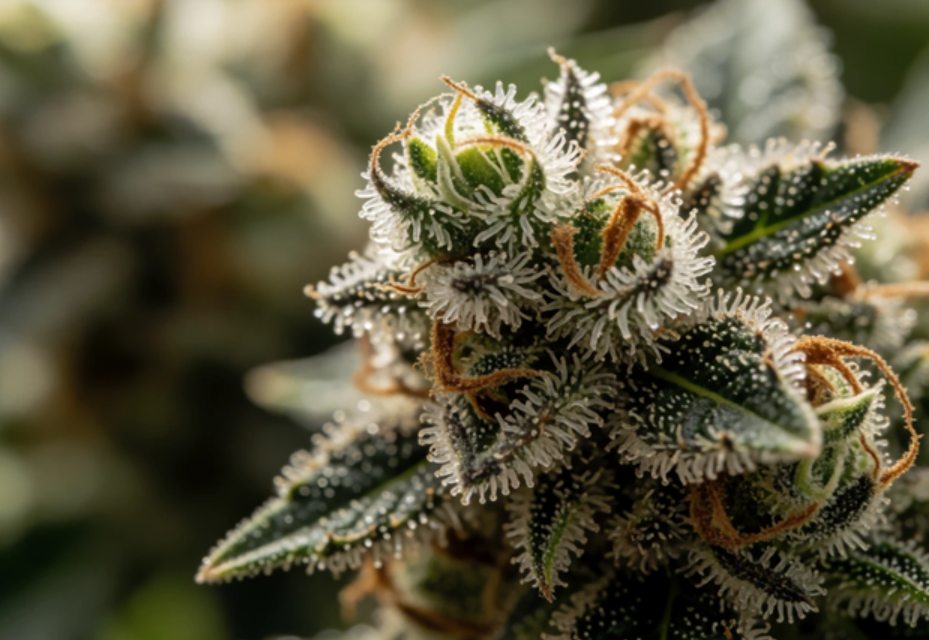
Most people pick Cheap THCA Flower based on strain name, THC percentage, or price. But the single best indicator of quality is sitting right on the surface of the bud — trichomes. Those tiny, frosty crystals coating the flower aren’t just decoration. They’re where the cannabinoids, terpenes, and flavonoids actually live.
Understanding trichomes gives you a real edge when shopping for THCA flower, whether you’re buying online from photos or inspecting product in person.
What Trichomes Are and Why They Matter
Trichomes are mushroom-shaped glands that develop on the surface of cannabis flowers during the final weeks of growth. Under magnification, they look like tiny glass stalks topped with bulbous heads. Those heads contain the resin that carries THCA, terpenes, and dozens of other active compounds.
When someone describes a nug as “frosty” or “caked,” they’re talking about trichome density. More trichomes generally means more potency and more flavor. Strains with heavy trichome production tend to deliver stronger effects and a more complex aroma profile because the resin is where all of that originates.
Reading Trichome Color Like a Pro
Trichome color tells you about harvest timing, and harvest timing directly affects your experience. Clear trichomes mean the plant was harvested early — expect a lighter, more cerebral effect with less depth. Milky white trichomes signal peak THCA content. This is the sweet spot most growers aim for.
Amber trichomes indicate the THCA has started converting to CBN, which produces a heavier, sleepier feel. Most high-quality THCA flower will show a mix of milky and slightly amber trichomes, which means it was harvested in the optimal window.
If a vendor’s product photos show buds with very few visible trichomes or a dull, flat appearance, that’s worth questioning. Quality THCA flower should look visibly resinous.
Trichome Density Varies by Strain and Grow Method
Genetics play the biggest role in trichome production. Strains like Gorilla Glue, White Widow, and Ice Cream Cake are known for exceptionally heavy trichome coverage. But how the plant was grown matters too.
Indoor cultivation under controlled lighting, humidity, and temperature tends to produce denser trichome development than outdoor grows. The plant isn’t fighting environmental stress, so it channels energy into resin production. That’s one reason indoor THCA flower consistently looks and performs differently.
Nutrient programs, light spectrum, and even the curing process after harvest all affect how well trichomes are preserved. Rough handling during trimming or packaging can knock trichomes off the bud entirely, which is why well-handled flower often arrives with visible kief in the bag — a good sign, but also a reminder that careful processing matters.
What to Look for When You’re Buying
When evaluating THCA flower, zoom in on product photos. Reputable vendors post close-up shots specifically so buyers can assess trichome quality. Look for a thick, even coating of crystals across the bud surface and into the crevices between calyxes.
Avoid flower that looks flat, brown, or overly compressed. Trichomes are fragile, and mishandled product loses potency before it ever reaches you. Sticky, resinous buds that leave residue on your fingers are a strong sign that the trichomes are intact and the flower was properly cured.
The nose tells a story too. Heavy trichome coverage almost always correlates with a loud, distinct aroma. If you open a bag and the smell hits immediately, the trichomes did their job.
Paying attention to these details puts you ahead of most buyers who stop at the percentage on the label. …


